Creative Teachers Tech Blog
Browse Categories: Engagement/page/4
Chats, Community, Quizzes, Surveys

Photo by Giovanni G. on Unsplash
Discover the VARK learning style model and learn how to identify and leverage the preferred learning styles of your students. This comprehensive guide explains the four VARK types and will help you understand how to leverage them to help your students with their outcomes.
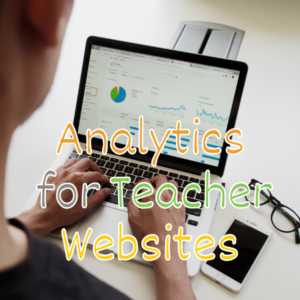
Photo by Campaign C. on UnSplash
Analytics for websites helps teachers and coaches know how many visitors and users are visiting their website. Knowing this information helps teachers track their business growth. This articles goes over the most important stats to track.
Photo by PhotoAC on Pixabay
Email communication is a critical part of operating online courses. In this lesson, we're learning about email addresses so that you can have reliable emails going out for sales, helpful emails for teachers and administrators, and receive important emails from your students.

Photo by Melanie D. On Unsplash
Knowing the customer of your Ideal Target Audience will help you understand their challenges and goals. With this information you can craft compelling sales pages and transformational course content that is not watered down for everyone.

Photo by Anna S. On Pexels
Have you tried using live webinars? Live webinars help you teach your students, answer their questions, interact with them in real-time, and you can also save and share your videos in future.

Photo by Brooke C. On Unsplash
Everyone has a unique set of skills and talents that come naturally to them. In this lesson, you’ll learn how the theory of multiple intelligences empowers teachers to use a range of methods when educating students.
Photo by Tamanna R. Pexels.com
Bloom’s Taxonomy is a popular framework that traditional and online teachers can use to develop high-quality courses. In this lesson, we'll explain it and guide you on how to teach an awesome creative course!
Photo by Monica S. on Pexels.com
A title slide lets students know what is coming in the lesson and let's them mentally get ready to receive the information from the teacher. This lesson has a bunch of tips on how to make great title slides for your online courses.

Photo by Mike - Pexels
You want to share your skill with people and make money from it, so you’ve decided to create a course online. Starting a course is easy, but may be challenging to finish. This lesson shows you how to manage your time and set your course goals.
Photo by Pilot W. on Unsplash
Teachers, coaches, and community leaders should manage their team and clients with user role system settings so that users only have access to what is necessary, paid for, or free.
